
“We will be traveling soon” was Regina’s last sign of life.
Geboren am 4. November 1885 in Frankfurt am Main.
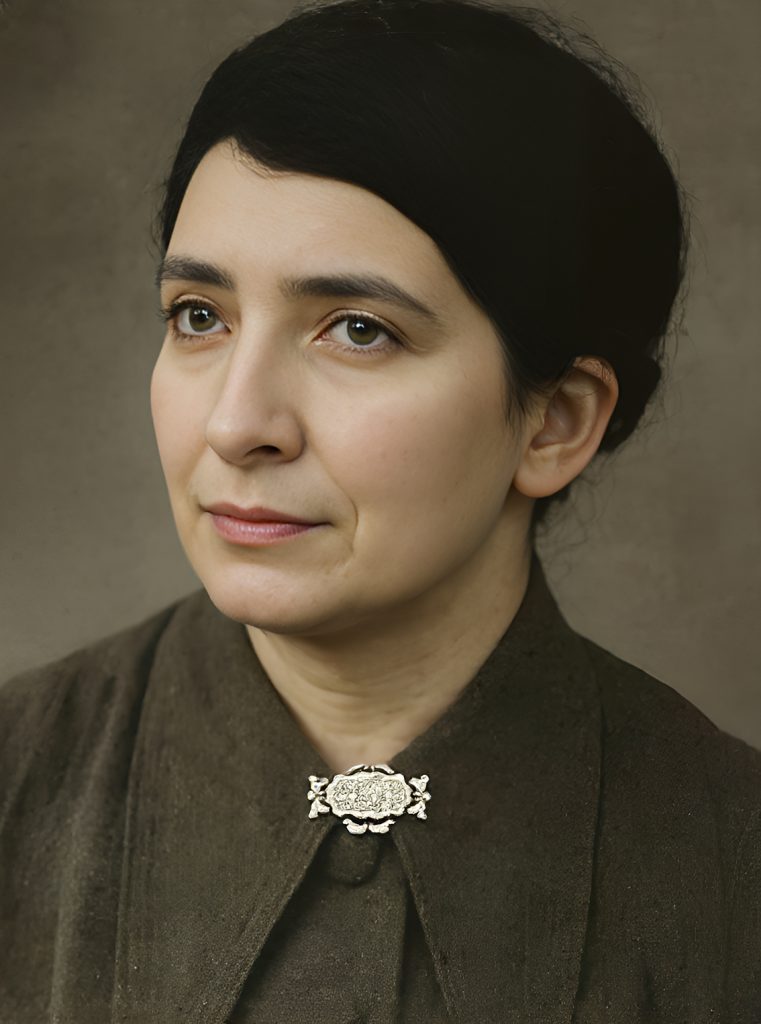
Since 1910, Regina Eschwege lived in Fulda with her husband Gabriel and their six children. Together they shaped the Jewish life of the city.
Addresses in Fulda:
› Buseckstr. 5
› Buseckstr. 3
› Brauhausstr. 26
› Mittelstr. 25
Parting words
Regina’s last sign of life, sent via the Red Cross, read: “We will be leaving soon.” These words announced her impending deportation—a message filled with hopelessness and grave concern. On May 30, 1942, Regina, Gabriel, and two of their children were deported from Fulda to Sobibor, where their lives were violently extinguished.
Fulda experienced three major deportations:
› December 8, 1941: Deportation of 149 people to the Riga Ghetto.
› May 30, 1942: Deportation of 43 people to the Sobibor extermination camp, including Regina and her family.
› September 5, 1942: Forced deportation of 79 people to the Theresienstadt Ghetto.
Of the 271 Jews from Fulda who were deported between 1941 and 1942, only twelve survived.
Deportations from Fulda
All of Fulda’s Jewish residents—children, women, and men—were forced to spend their last night in Fulda in a sports hall (Rabanusstrasse 14). The following morning, the Gestapo and police escorted them to the train station.
At platform 1, they boarded passenger trains to Kassel. In Kassel, they also had to spend a night in a gymnasium before being transported to an unknown destination the next day.
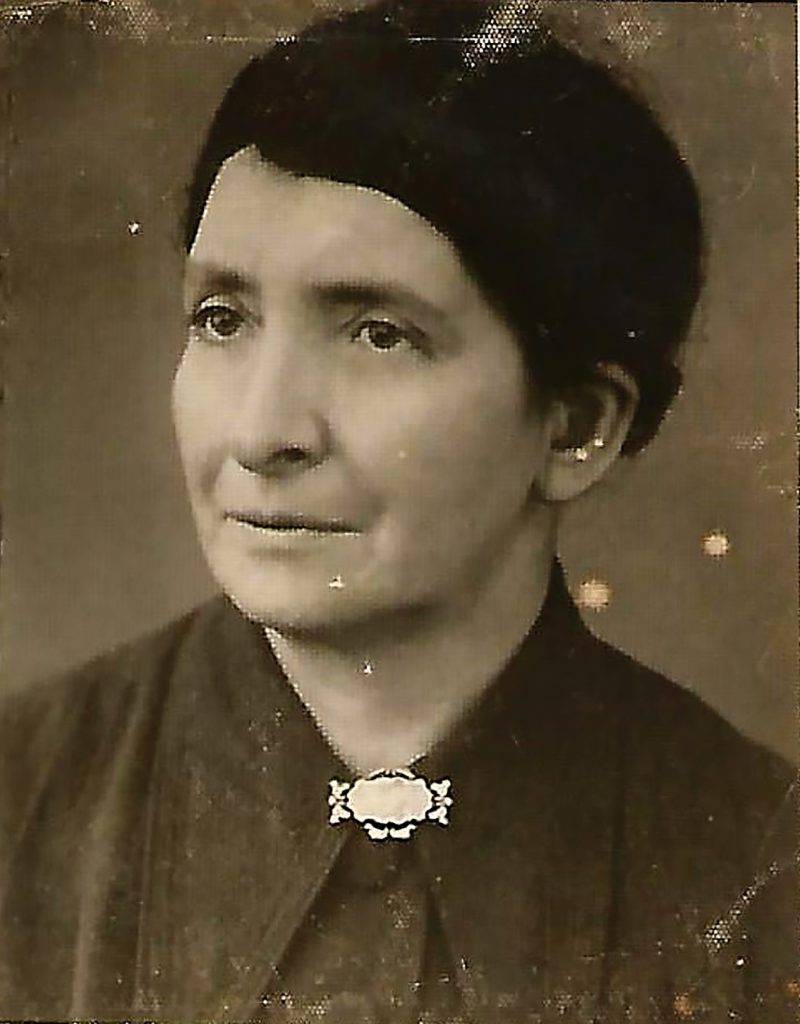
Based on the original photograph shown, all depictions have been reconstructed using artificial intelligence.
1933 changed everything
Regina Eschwege was born in Frankfurt am Main in 1885. She was the wife of Gabriel Eschwege and the mother of six children. They lived together in Fulda for many years and played a significant role in shaping Jewish life in the town. However, the increasing persecution by the Nazis tore their family apart and presented them with unimaginable challenges.
Benjamin reports
Her son Benjamin, one of the few survivors, recalls the harrowing events: “On the morning of Kristallnacht, 9 November 1938, we were sent home from school. An atmosphere of terror prevailed amongst all the Jews. That evening, the Germans set fire to most of the synagogues, including ours. The Jewish school was ransacked, but not burnt down. All men aged between 16 and 60 were sent to concentration camps. My father was exactly 60 and was spared. My brother Meir was abducted and spent about six weeks in the camp, suffering frostbite to his toes, which had to be amputated. Because of the treatment, he was unable to leave Germany despite having permission.”
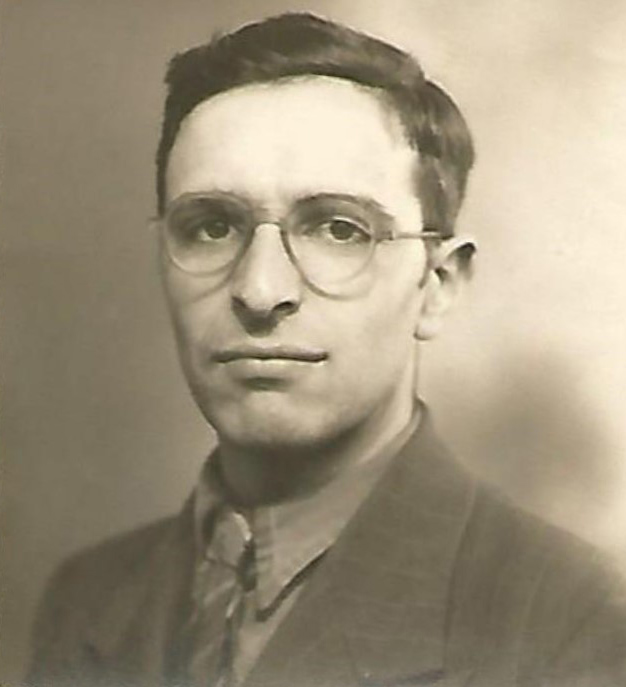
Benjamin Eschwege, born in 1925
Escape for some, deportation for others
The persecution intensified, and many Jewish families desperately sought ways to send their children abroad. Simon, Julius, Auguste and Benjamin managed to flee and thus escaped the disaster. Meir and Felix, however, were deported along with their parents.
Fulda was the site of three deportations of Jewish people. Those affected first had to spend a night in what was then the gymnasium on Rabanusstraße before being taken to the railway station. From there, they travelled by train to Kassel, where they had to spend another night in a transit camp. They were then deported to the Sobibor extermination camp.
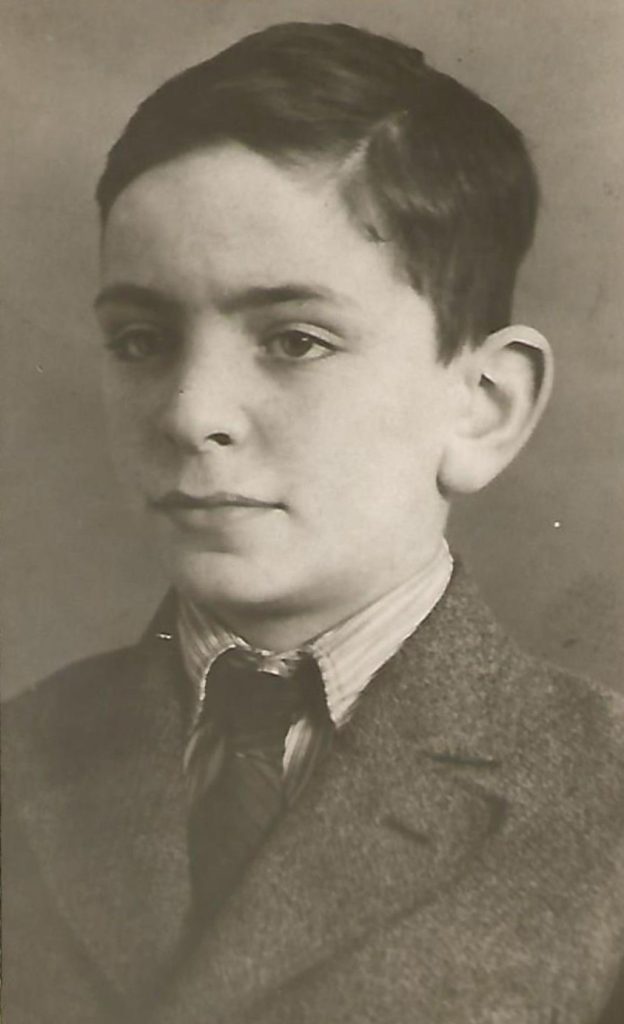
Meir Eschwege, born in 1919
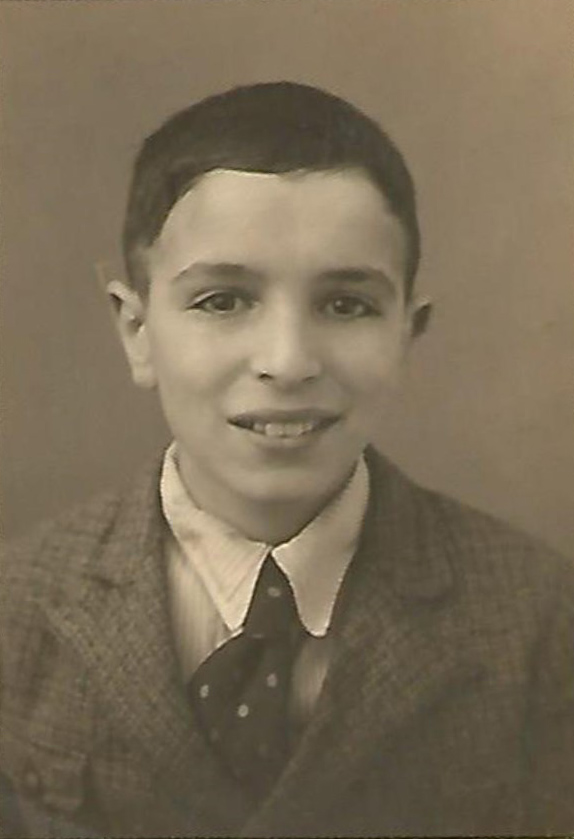
Felix Eschwege, born in 1927
Final words: We’ll be travelling soon
Shortly before their deportation, Benjamin received a letter from his parents, sent via a special Red Cross form. It simply stated: “We will be travelling soon.” These few words heralded the inevitable and marked a rare moment of profound despair for Benjamin. After that, the family lost all contact with one another.
The Eschwege family were deported on 30 May 1942 from Fulda via Kassel to the Sobibor extermination camp. There, Regina Eschwege was murdered immediately upon arrival.
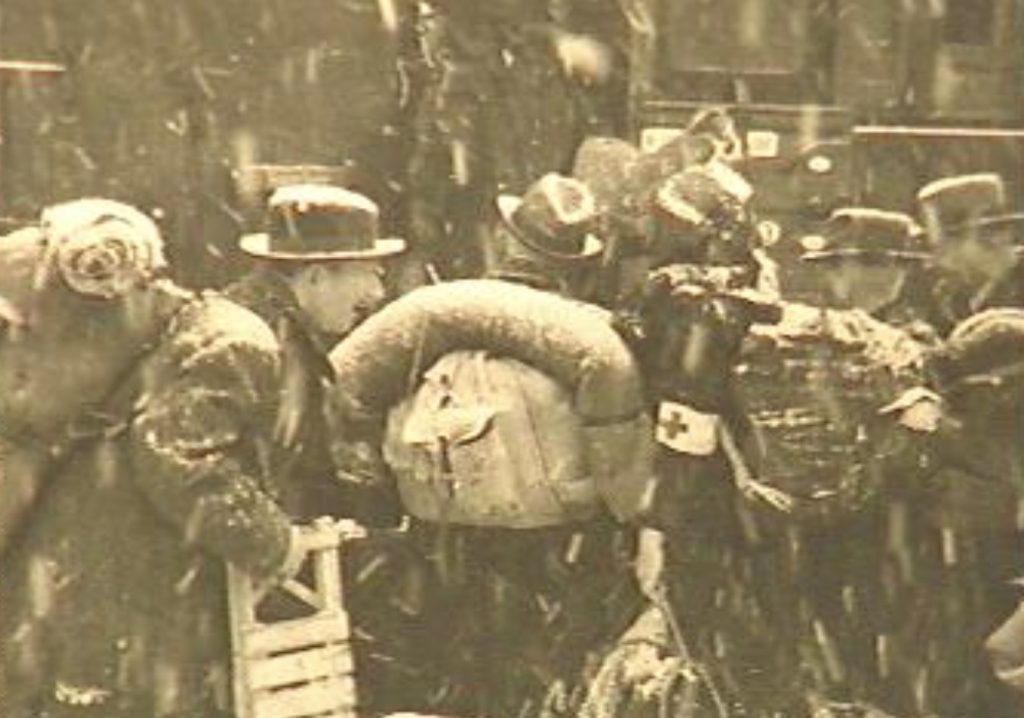
Deportation from Fulda railway station, 1941
Regina’s story brings these terrible events to life – she represents the many families who lost their lives, their home town of Fulda and their loved ones. Her story serves as a powerful reminder of how important it is to keep the memory of this period alive and to cherish the uniqueness of every single life.