
The family of synagogue elder Abraham lived in Fulda from 1497.
Born on August 24, 1874, in Fulda.
His family was deeply rooted in Fulda: Dr. Abraham Trepp’s ancestors lived continuously in the city from 1497. The name Trepp derives from the location of the family home: Uff der Treppen (on the stairs).
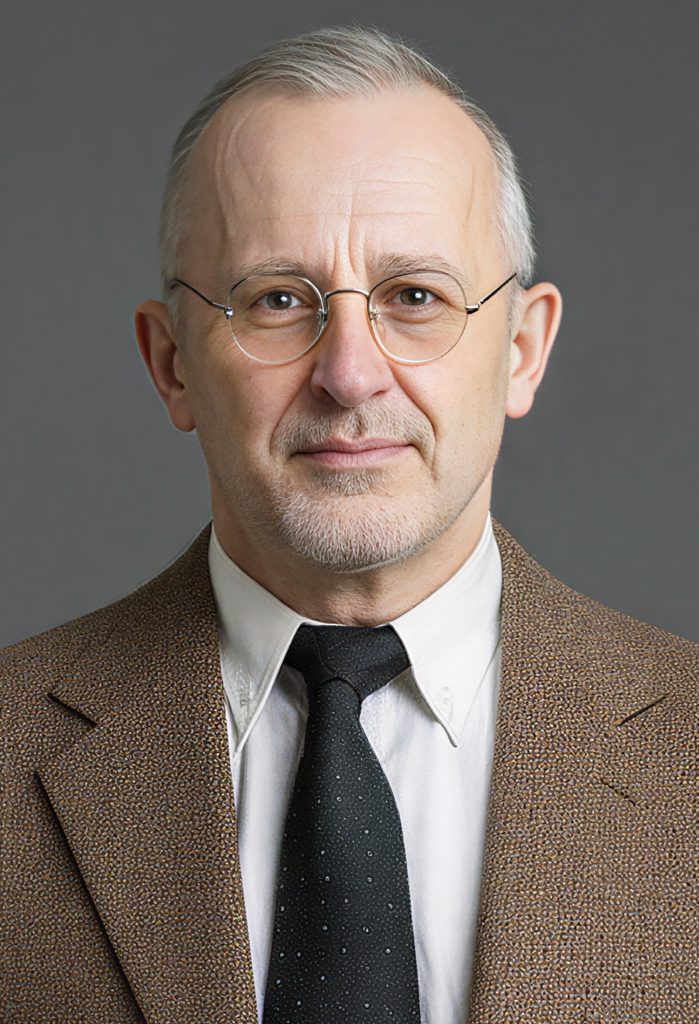
Specialist Physician and Active Member of the Community
He studied medicine in Berlin and specialized as an ear, nose, and throat (ENT) specialist. During the First World War, he served in the Fulda military hospital and was awarded the Iron Cross Second Class for his service. Alongside his medical work, Abraham was active as one of the synagogue elders, known as Parnassim, and a member of the Jewish community’s governing board.
Arrest – Deportation – Escape
The horrors of the November Pogrom of 1938 struck him directly: After his arrest on the morning of November 10, 1938, Abraham, along with other Fulda Jews, was imprisoned in the journeymen’s hostel (Kolping Society). The following day, he was deported from Fulda train station to the Buchenwald concentration camp. During a stopover in Hanau, Abraham was declared unfit for work and released to go home.
In February 1939, he escaped to Palestine. As a consequence, the Nazi regime revoked his German citizenship on November 25, 1941.
Dr. Abraham Trepp died on May 11, 1944, in Jerusalem.
Addresses in Fulda:
Mittelstr. 5
Nikolausstr. 8
Nikolausstr. 12 (first floor)
Heinrichstr. 16 (first floor)
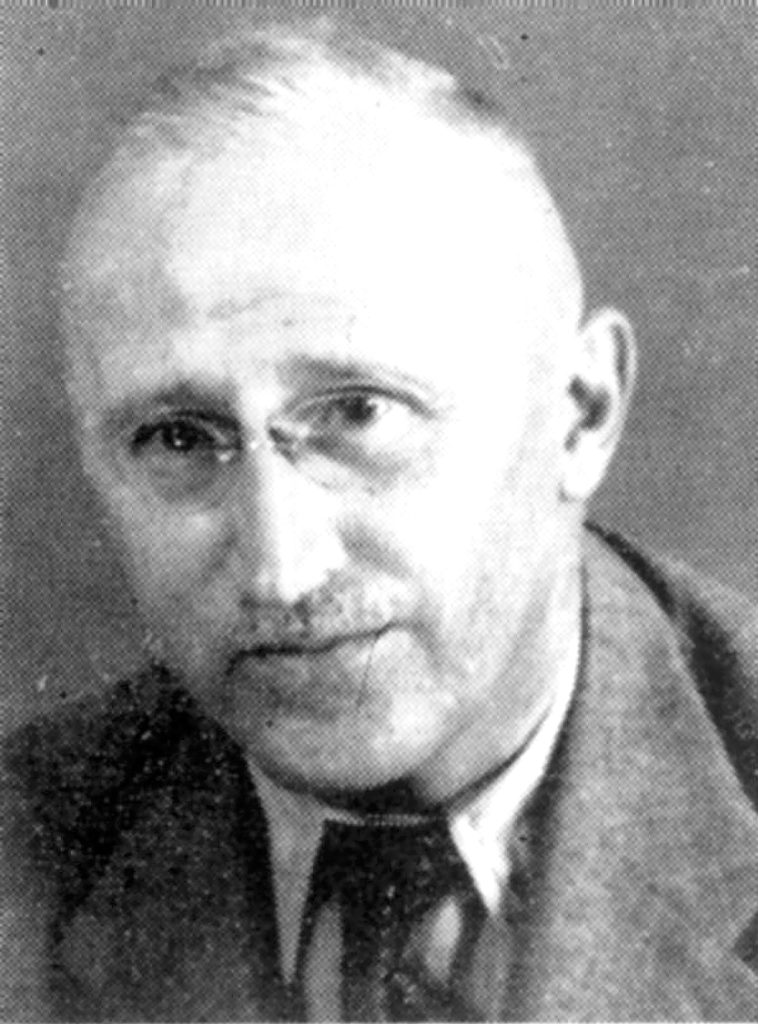
Based on the original photograph shown, all depictions have been reconstructed using artificial intelligence.
The story of Dr. Abraham Trepp exemplifies the long tradition of Jewish physicians who shaped life in Fulda for centuries. It symbolizes Jewish presence, professional excellence, and civic engagement in the city.
Early roots: Lipmann Trepp in Fulda (from 1497)
The Trepp family has been rooted in Fulda since the late Middle Ages. Their ancestor Lipmann Trepp received permission to move to Fulda in 1497 from the then Prince-Abbot of Fulda, Johann II of Henneberg-Schleusingen. Lipmann Trepp was provided with a house “uff der Treppen” (up the stairs), located at the present site Am Stockhaus (until 1936 Judenberg), adjacent to the synagogue destroyed in 1938. He assumed medical and economic responsibilities at the Princely Court and for the Jewish community.
Letter of protection from 1514
As a so-called protected Jew, Lipmann Trepp enjoyed special protection and rights that enabled him to live and work in the city despite widespread discrimination. Protected Jews were Jewish residents whose rights were secured by letters of protection issued by the authorities. Such a letter of protection from 1514, issued by Prince-Abbot Hartmann II von Kirchberg, documents Lipmann Trepp’s special status and granted him security as well as certain privileges, often in exchange for protection money or for special services.
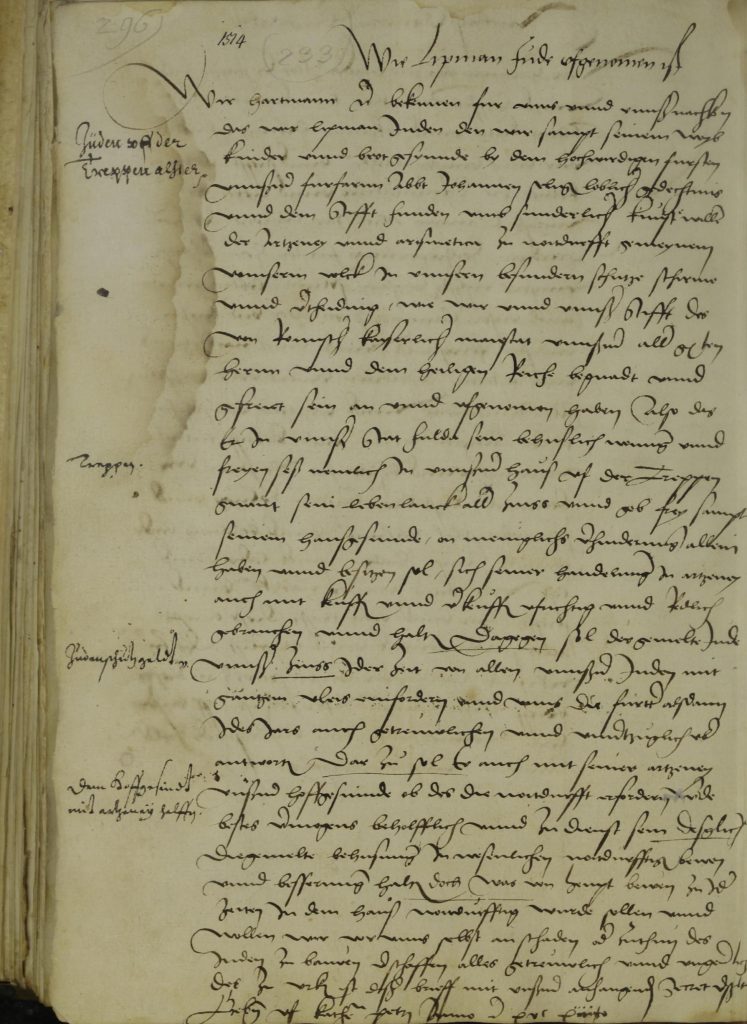
Letter of protection dated 1514, original
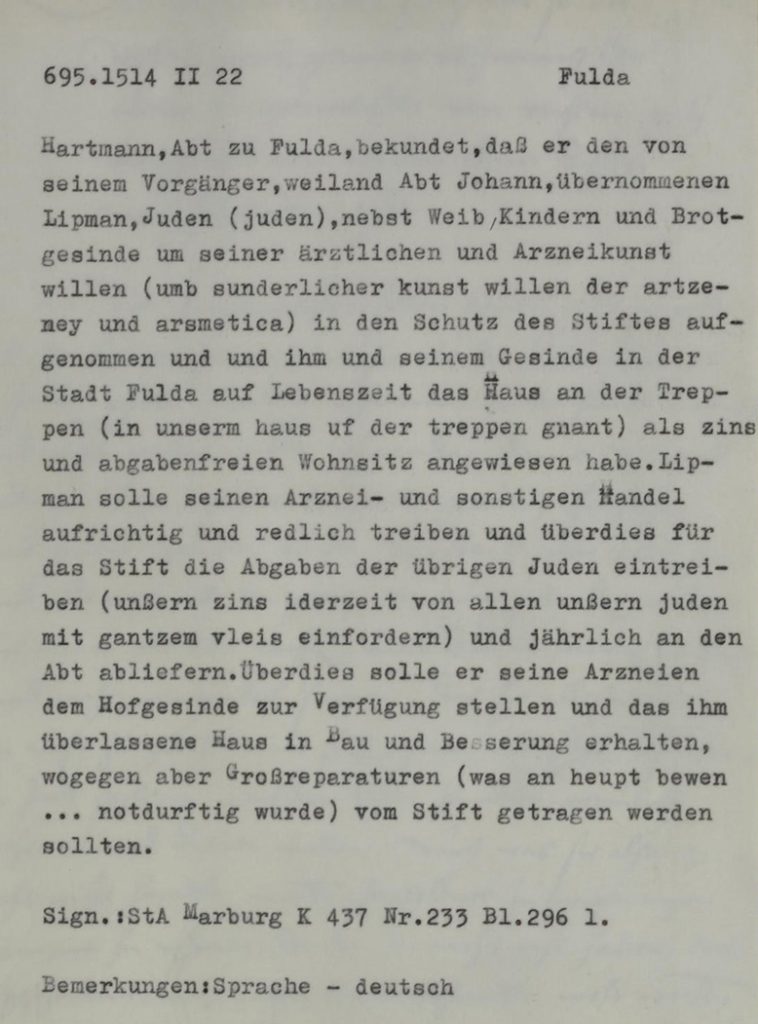
Letter of Protection dated 1514, transcript
Jewish Care and Expulsion 1671
Until 1671, a Jewish hospital “at the Miste,” today Schlachthausgasse, was part of Fulda’s infrastructure – a sign of organized social and medical care within the Jewish community. In 1671, Prince-Abbot Bernhard Gustav of Baden-Durlach expelled approximately 2,000 Jewish residents from the Prince-Bishopric of Fulda. Only five families, including the Trepp family, were allowed to remain in a ghetto in Judengasse (now known as ‘Am Stockhaus’), near the synagogue.
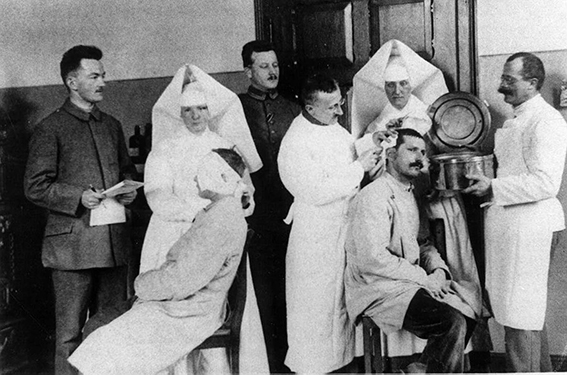
Dr Abraham Trepp, a military doctor during the First World War, fourth from the right
Military doctor in the First World War
During the First World War, Dr. Trepp served in the Fulda military hospital. In total, approximately 100,000 Jewish Germans fought in the First World War, an expression of their patriotic commitment and their responsibility to the country.
Dr. Abraham Trepp as an ENT specialist in Fulda
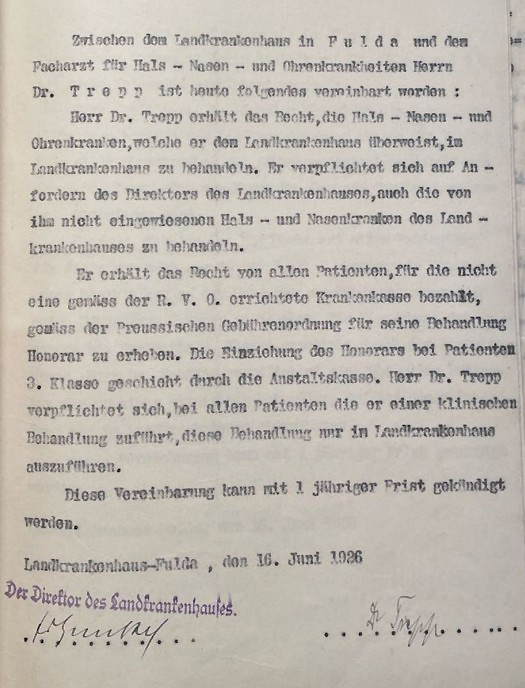
Employment contract between the District Hospital and Dr Trepp, 1926
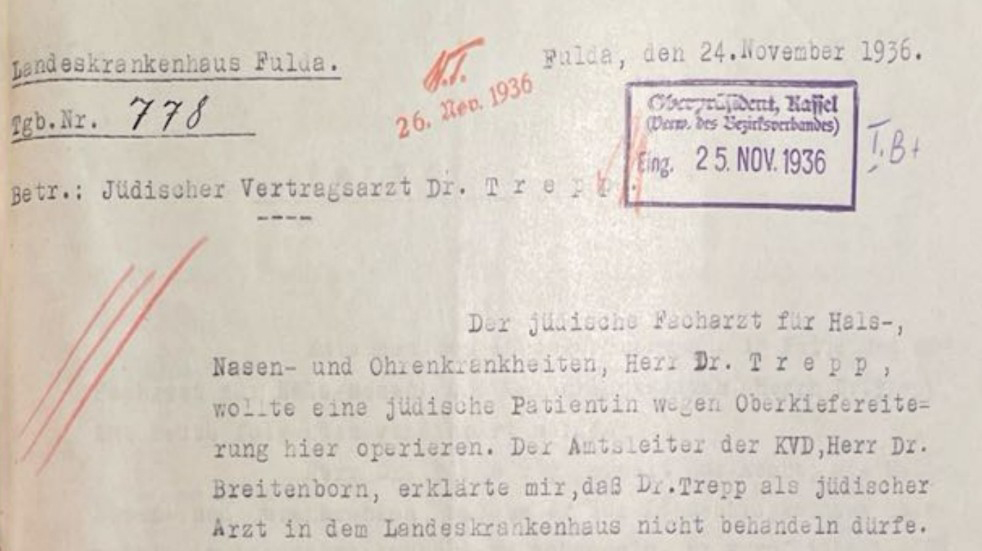
As a Jewish doctor, Dr Trepp was no longer allowed to practise at the hospital, 1936
Dr. Abraham Trepp, a modern ear, nose, and throat specialist, worked at the Fulda State Hospital, now the Fulda University Hospital, and treated patients of all faiths. However, in 1936 he was forbidden from treating Jewish patients at the hospital.
November pogrom 1938 and flight
Dr. Trepp was arrested and briefly imprisoned during the November Pogrom of 1938. In 1939 he escaped to Jerusalem, where he died in 1944.
Dr. Abraham Trepp represents a significant line of Jewish physicians who shaped Fulda medically, socially, and culturally. His story serves as a reminder of the importance of Jewish life and work in the city – and of the losses caused by persecution and flight.