
Despite his commitment to Germany, Gabriel was persecuted.
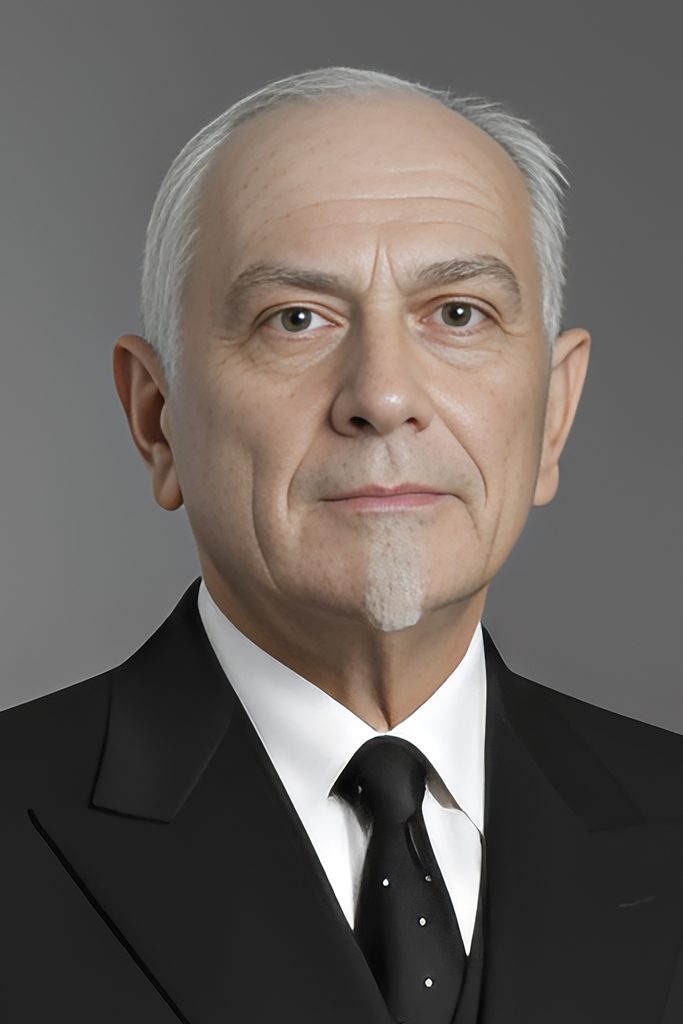
Born on November 4, 1878 in Fulda.
His ancestor, the physician Lippmann Trepp, moved to Fulda in 1497. For centuries afterward, the Eschwege family lived in the city; their ancestral home was located below the synagogue, “at the steps.” The close connection to Fulda is also evident in the fact that more than 100 of Gabriel’s relatives are buried in the old Jewish cemetery.
A family life steeped in tradition
On October 27, 1910, Gabriel married Regina Michel from Frankfurt am Main. They had six children and led an open, tradition-conscious home. Their house was a typical German-Jewish home that maintained Jewish customs while remaining connected to German culture.
Patriotism and management
Gabriel fought in the First World War, an expression of his deep patriotism. On March 7, 1910, he founded the company “Gabriel Eschwege & Co.,” which supplied tradespeople with essential goods. The successful company was initially located at Bahnhofstraße 3, later at Rabanusstraße 7. In 1936, he was forced to sell the company as a result of Nazi reprisals.
On May 31, 1942, Gabriel, his wife Regina and two of their children were deported from Fulda to Sobibor, where they were murdered.
Addresses in Fulda:
› Mittelstr. 25
› Buseckstr. 5
› Buseckstr. 3
› Brauhausstr. 26
› Mittelstr. 25
› Bahnhofstr. 3 und Rabanusstr. 7 (Business addresses)
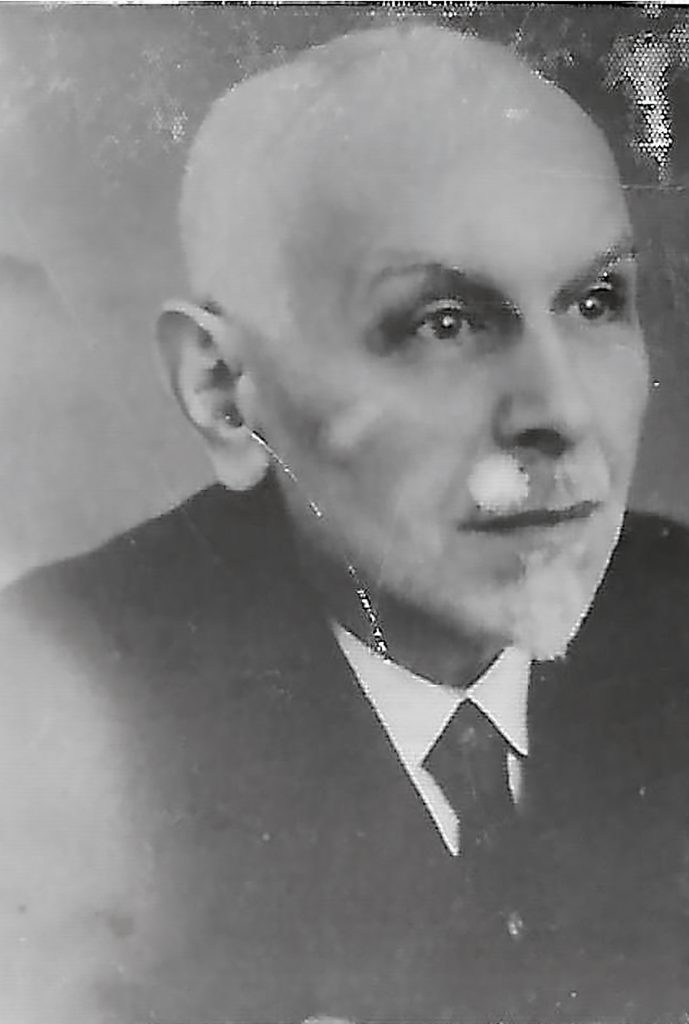
Based on the original photograph shown, all depictions have been reconstructed using artificial intelligence.
Deeply rooted in Fulda
Born in Fulda in 1878, Gabriel Eschwege came from one of the oldest Jewish families in the town, whose roots date back to 1497. His family has close ties to Fulda’s old Jewish cemetery, where many of his ancestors are buried.
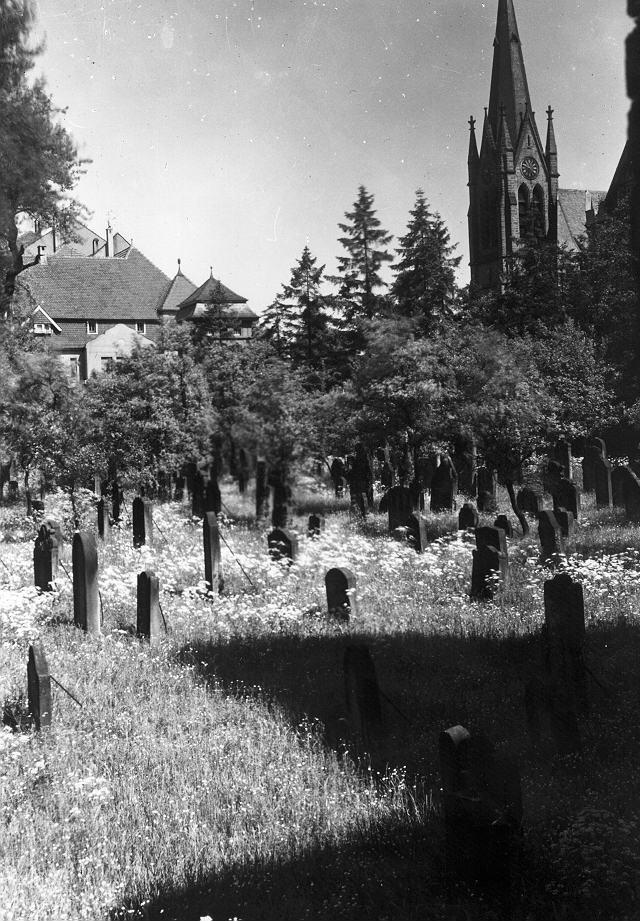
Old Jewish cemetery, photograph taken around 1926
Gabriel was a member of the Chewra Kaddisha, the burial society that selflessly cares for the deceased and their families. Today, this newly designed cemetery invites visitors to remember over 2,000 deceased individuals. It also serves as a memorial to the victims of the Shoah – including Gabriel Eschwege and his family – and stands as a silent testament to Jewish life and the profound loss suffered in Fulda.
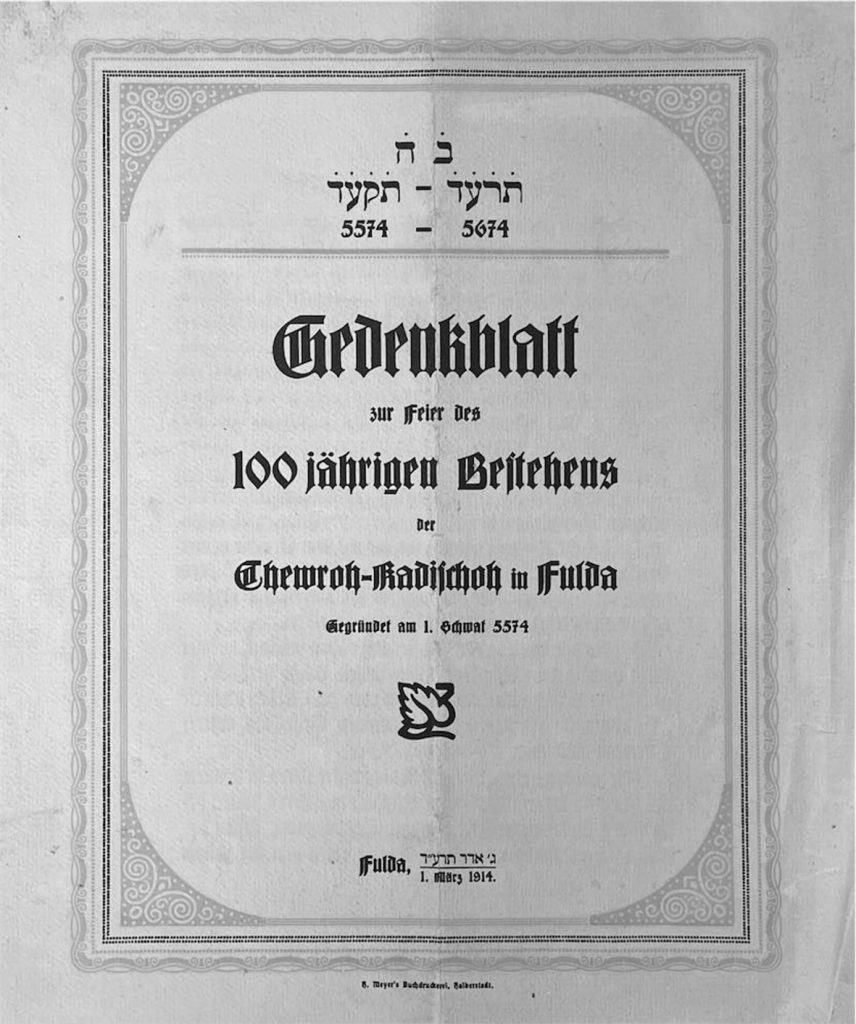
Commemorative leaflet marking the 100th anniversary of the Funeral Society, 1914
Religion and education in everyday family life
Benjamin, Gabriel’s son, describes the family home as typically German-Jewish: a blend of strict religious observance and an open-minded attitude towards mainstream culture. Despite working hard, Gabriel attended a Torah class every evening to deepen his religious knowledge. The children received a comprehensive education: whilst the older brothers were able to attend a secondary school, this was forbidden for Benjamin at the time; instead, he attended the Jewish elementary school. In the afternoons, organised courses in Jewish studies supplemented his learning – covering material that was missing from the regular school curriculum.
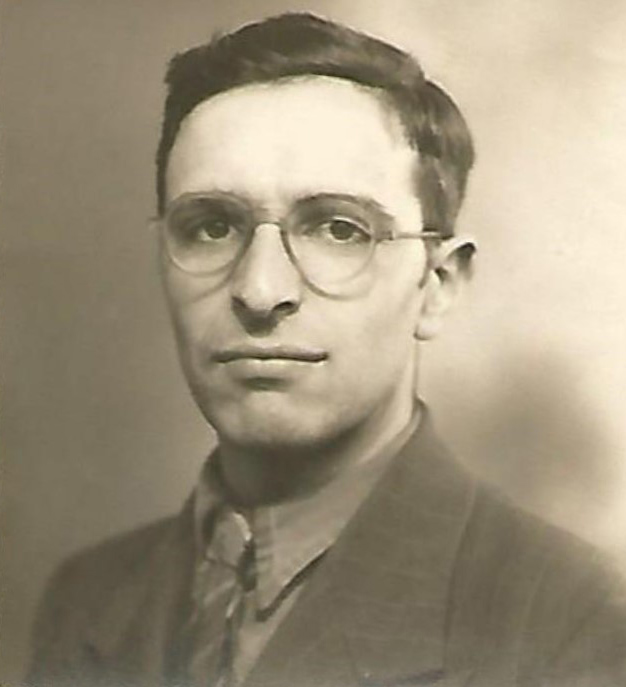
Benjamin Eschwege, born in 1925
Economic decline under the Nazis
Gabriel Eschwege ran a large business selling machinery and tools, which had been thriving before 1933. But with the rise of the Nazis, everything changed dramatically: Jewish businesses were systematically excluded, and customers stopped coming. The financial pressure grew steadily until Gabriel was eventually forced to sell the business he had built up over a lifetime. “That must have caused a great deal of pain,” recalls Benjamin, “because my father was giving up a business that he had built up himself.”
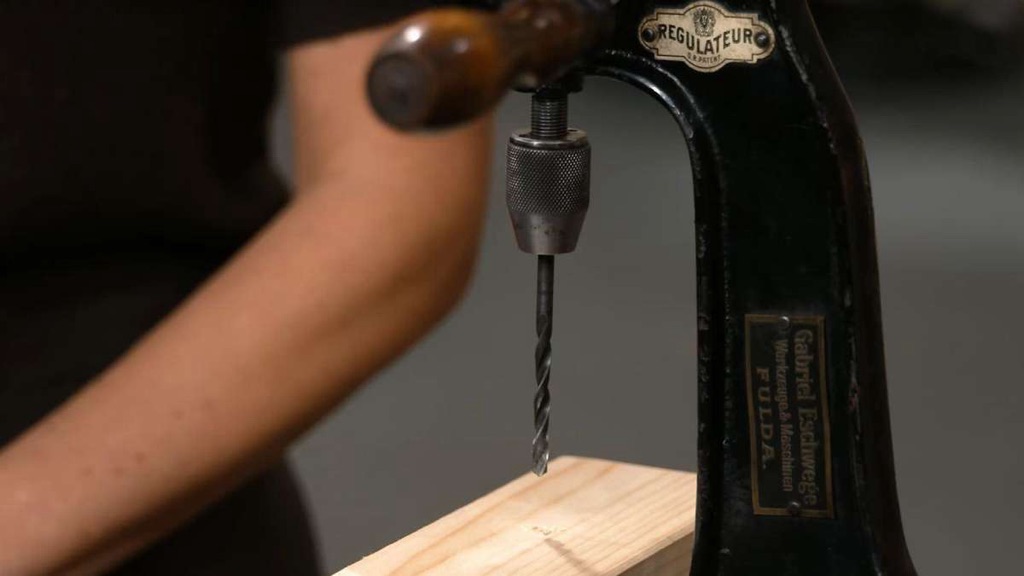
Regulator manufactured by Gabriel Eschwege
An unforgettable legacy
With this loss, it was not only a significant business that disappeared – a family that had shaped Fulda’s economy, culture and community for centuries also vanished from public life. This legacy remains palpable and serves as a powerful reminder: Jewish life in Fulda must never be forgotten.