
Adolf's short life was marked by exclusion, flight, and death.
Born on January 29, 1931 in Fulda.
Adolf Lehmann grew up at Heinrichstrasse 15 with his parents, Leo and Anna, and his sisters, Eva and Clara. He attended the Jewish kindergarten and school and went to the synagogue, which was destroyed by the Nazis in 1938. After the Nazis seized power, fear dominated everyday life.
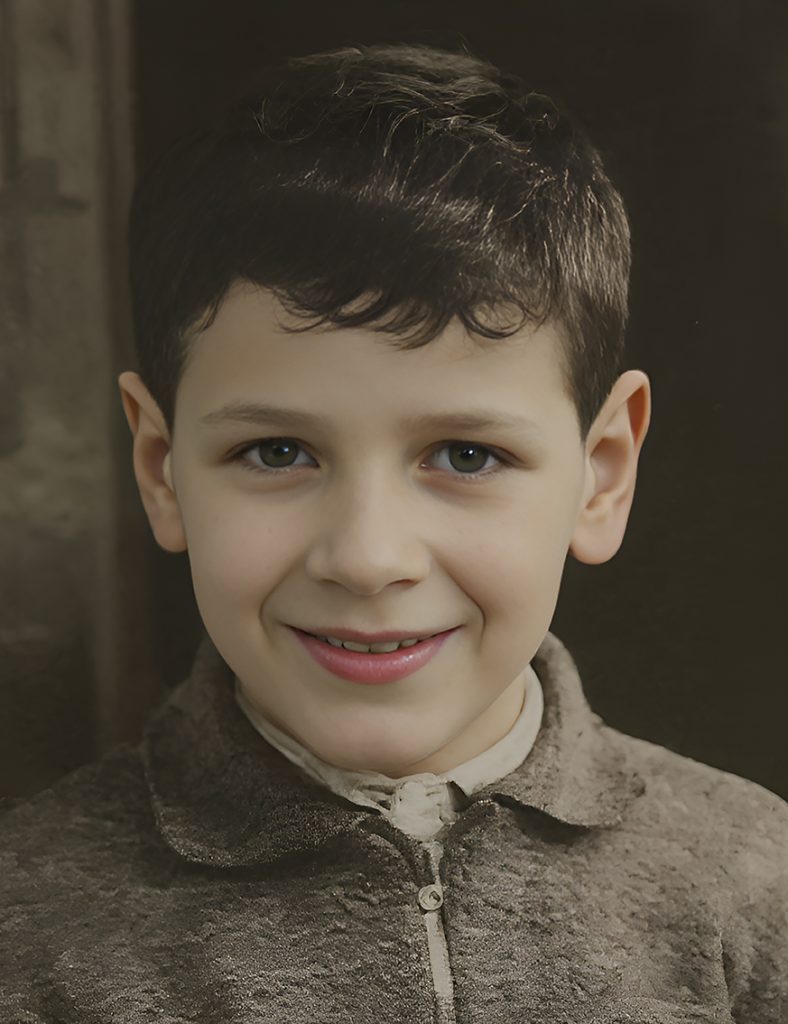
Temporary refuge
During the November Pogroms of 1938, Adolf and the other children fled school to escape the stone-throwing and violence. His father was deported to the Buchenwald concentration camp. In 1939, his parents managed to secure two of the coveted places for Eva and Adolf on a children’s transport to Belgium. The children were initially taken in by a factory as a first point of contact and were to be placed with foster families afterward. However, no foster family could be found for Adolf, so he remained there for the time being. Later, he moved to a children’s home and experienced the German invasion of Belgium in May 1940.
In December 1940, Adolf and his sister Eva returned to Fulda.
From the Star of David to Auschwitz
From September 1941, the ten-year-old was forced to wear the Star of David. On December 8, 1941, the Germans deported the Lehmann family from Fulda to the Riga Ghetto. On November 3, 1943, Adolf was transported in a cattle car to Auschwitz, where he was murdered.
Address in Fulda:
Heinrichstr. 15
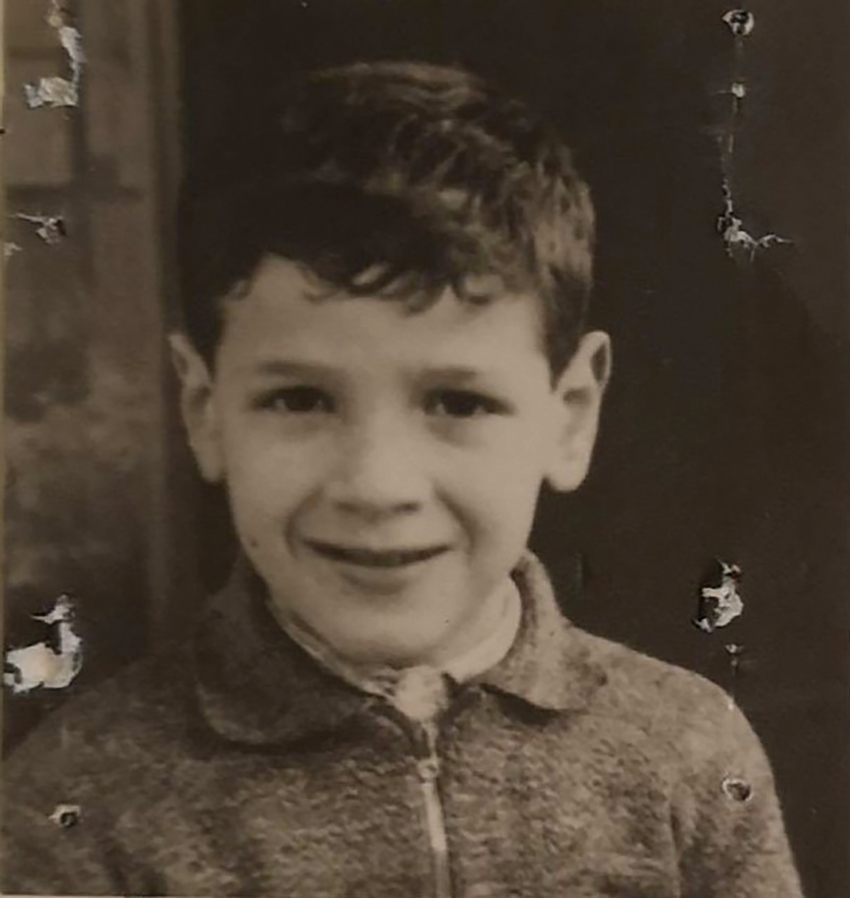
Based on the original photograph shown, all depictions have been reconstructed using artificial intelligence.
Childhood, flight and deportation
Adolf Lehmann was born in Fulda on January 29, 1931. He grew up in a time when Jewish people were increasingly threatened and persecuted. He spent his early childhood in the sheltered environment of the Jewish kindergarten run by Hilde Baum and Selma Spiro.
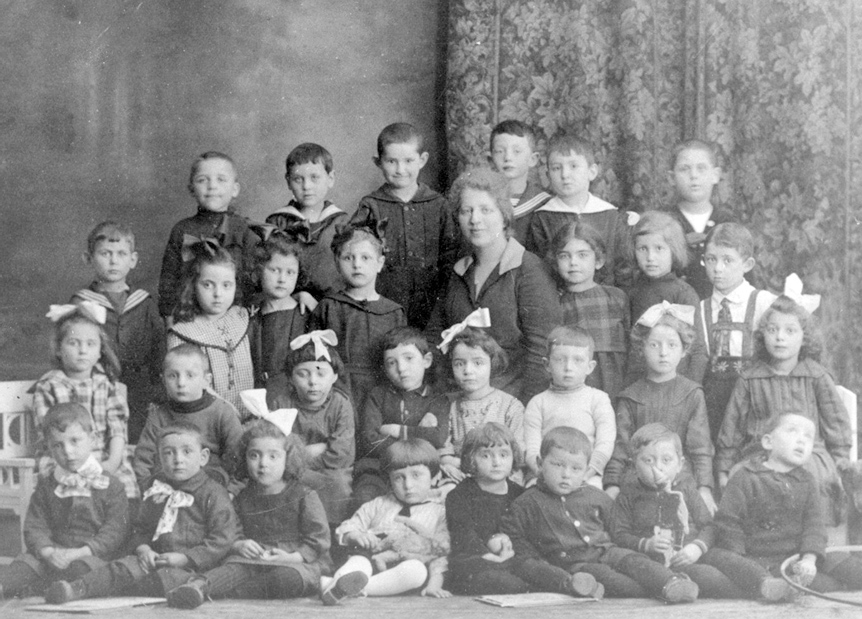
A nursery group, 1920s
From 1936 onward, he attended the Jewish school on Von-Schildeck-Straße. There, he experienced the violence of the November Pogroms of 1938 firsthand: stones were thrown through the windows, several children were injured, and on his way home, the Hitler Youth threatened Adolf and other children. This experience made the brutality of the regime palpable for him.
To at least save the children, Jewish and international aid organizations organized so-called Kindertransports, primarily to England, the Netherlands, France, Palestine, and Belgium.
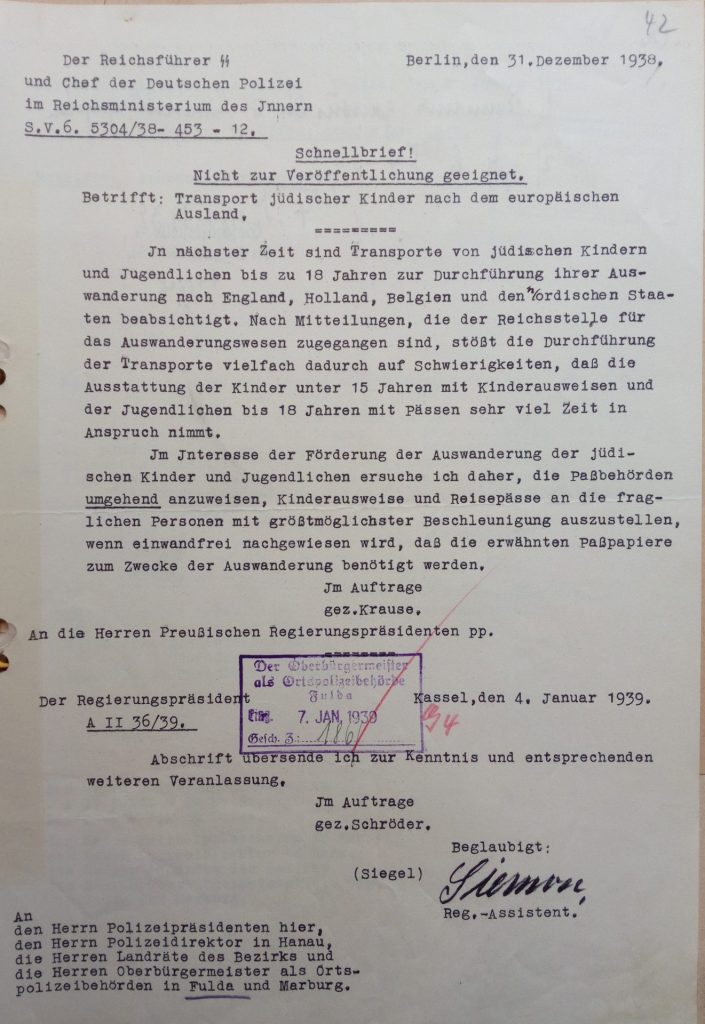
The transport of Jewish children to other European countries – expedited passport issuance, 1938
This rescue operation brought Jewish children from Nazi Germany to safety. On January 31, 1939, the siblings boarded a train to Belgium in Frankfurt.
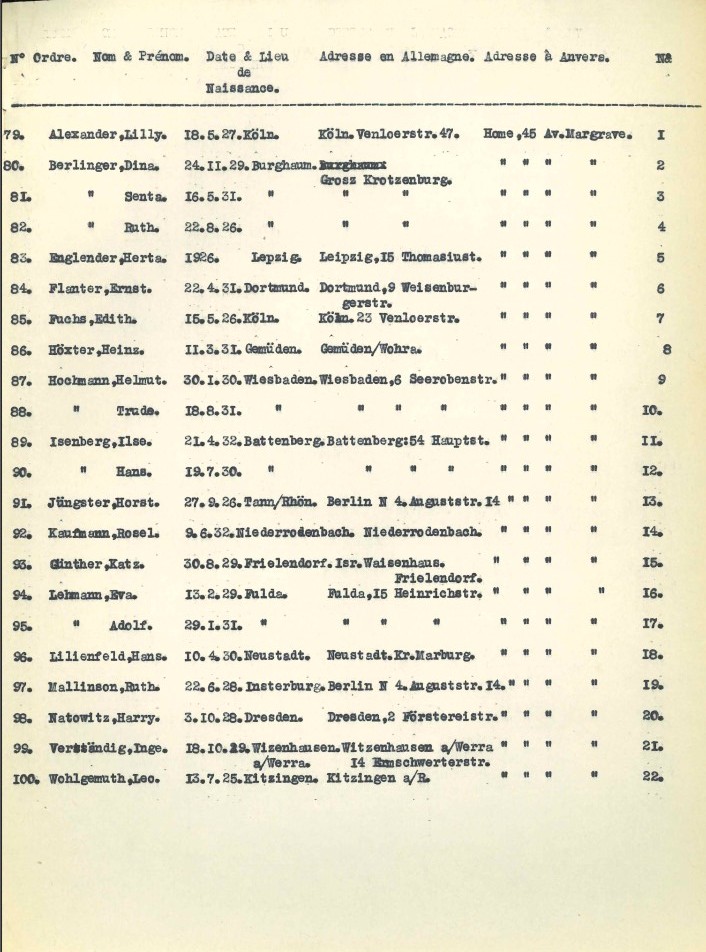
List of names of the Kindertransport from Vienna to Antwerp, 1939
Upon arriving in Antwerp, their paths diverged: Eva found refuge with a Belgian family, while Adolf initially stayed at the Lipschütz diamond factory’s reception center. This factory served as a gathering point for Jewish refugees.
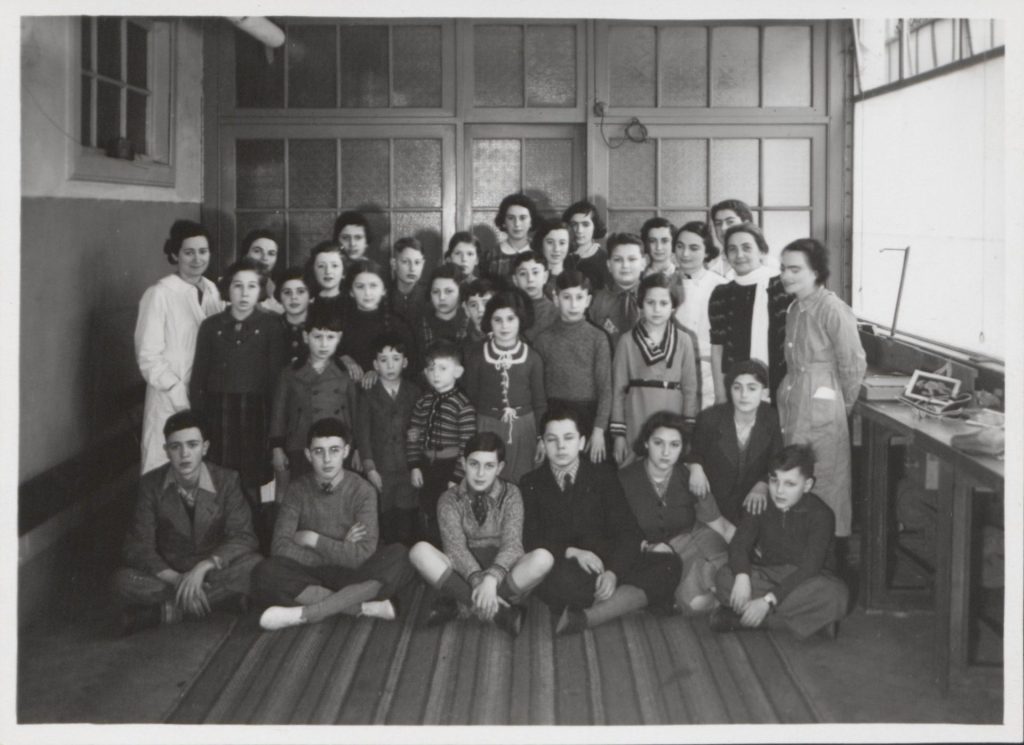
Children and carers at the Lipschütz diamond factory, 1939
For Adolf, it was a strange, oppressive environment that further intensified the painful break with his family and homeland.
Being separated from his sister and his familiar surroundings left a deep mark on him. After the Germans invaded Belgium in May 1940, further escape was impossible, and Adolf returned to Fulda. On 8 December 1941, the Nazis deported him, his parents and siblings to the Riga ghetto, some 1,500 kilometres away – a place of suffering and despair. From there, they were transported on 3 November 1943 to the Auschwitz-Birkenau extermination camp, where Adolf was murdered.
Adolf’s story is representative of the fate of many Jewish children who were uprooted by flight and deportation.