
Dina – nicknamed “Dilla” – enriched Fulda with theatre and culture
Born on April 24, 1883 in Fulda.
Dina’s family was deeply rooted in Fulda: her father, Adolf Katzenstein, came from Eschwege, and her mother Dora Spiro’s family had been living in Fulda since the 15th century.
On January 18, 1908, Dina married Jakob Feldheim from Graudenz. The wedding took place in Fulda. The couple had four children: Dora (1909), Sitta (1911), Arno (1913), and Martha (1915).
Security and tradition
Dina grew up in a warm and loving home and lived a close family life with Jakob, deeply rooted in Jewish traditions. The couple initially lived in the rabbi’s villa at Schildeckstraße 12, and later at Bahnhofstraße 21. On February 24, 1939, due to Nazi forced labor laws, they were forced to move to the Jewish old people’s home at Schildeckstraße 10.
Cultural and social engagement
Dina, affectionately known as Dilla, was culturally active. Together with her Jewish friends, she staged plays in Fulda on various occasions. Furthermore, she devoted herself wholeheartedly to the Jewish residents of the St. Lioba retirement home and continued to care for them even after their forced relocation to Schildeckstraße 10.
Dina was murdered in Auschwitz on May 18, 1944.
Addresses in Fulda:
› Until 1908: Mittelstr. 36
› 1908 – 1918: Schildeckstr. 12
› 1918 – February 24, 1939: Bahnhofstr. 21, 2nd floor
› Forced relocation on February 24, 1939 to the Jewish Old People’s Home
(one of the so-called “Jewish houses,” into which Jewish men and women were forced before their deportation)
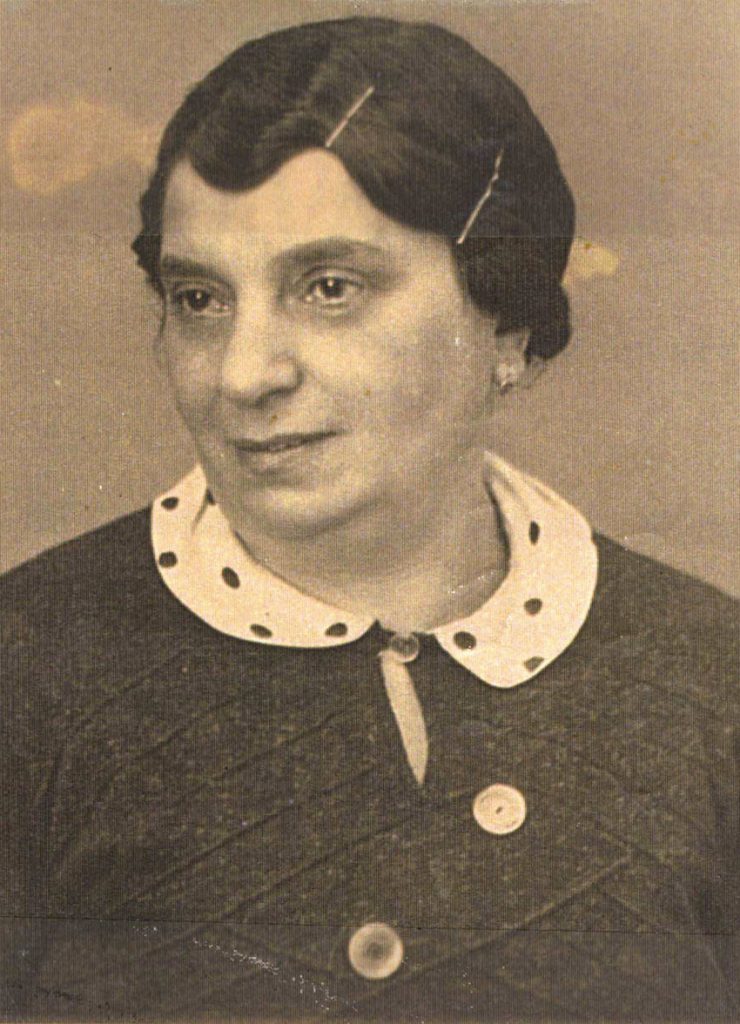
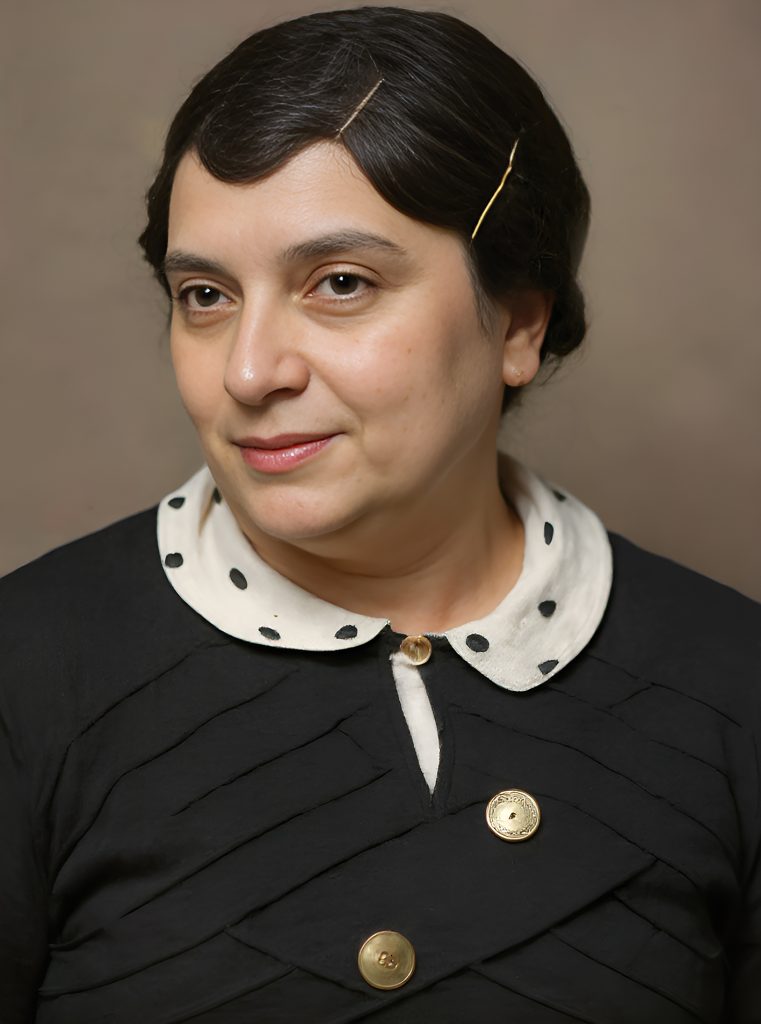
Based on the original photograph shown, all depictions have been reconstructed using artificial intelligence.
Deeply rooted in Fulda
Dina Feldheim was born in Fulda in 1883 and grew up in a family with deep roots in the town. Her ancestor, Lipmann Trepp, a doctor, had arrived in Fulda in 1497 and, as one of the first Jewish doctors, had left a lasting mark on the town. This legacy also shaped Dina’s life and her commitment to the community.
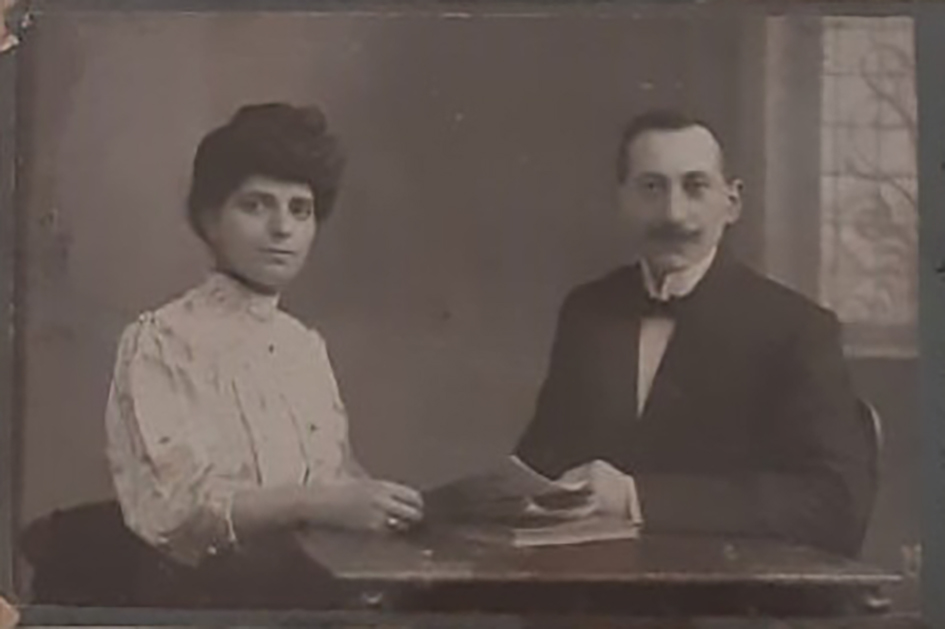
Dina and Ehmann Jakob, c. 1910
Cultural engagement
Within the Jewish community in Fulda, Dina was particularly active in the cultural sphere. Her work with the community’s theatre group brought her to prominence. Theatre was far more than just a hobby: it fostered cultural exchange, strengthened community spirit and kept Jewish traditions alive. A historical photograph shows Dina with other women from the group – a symbol of the importance of this work at a time when Jewish life was under increasing threat.
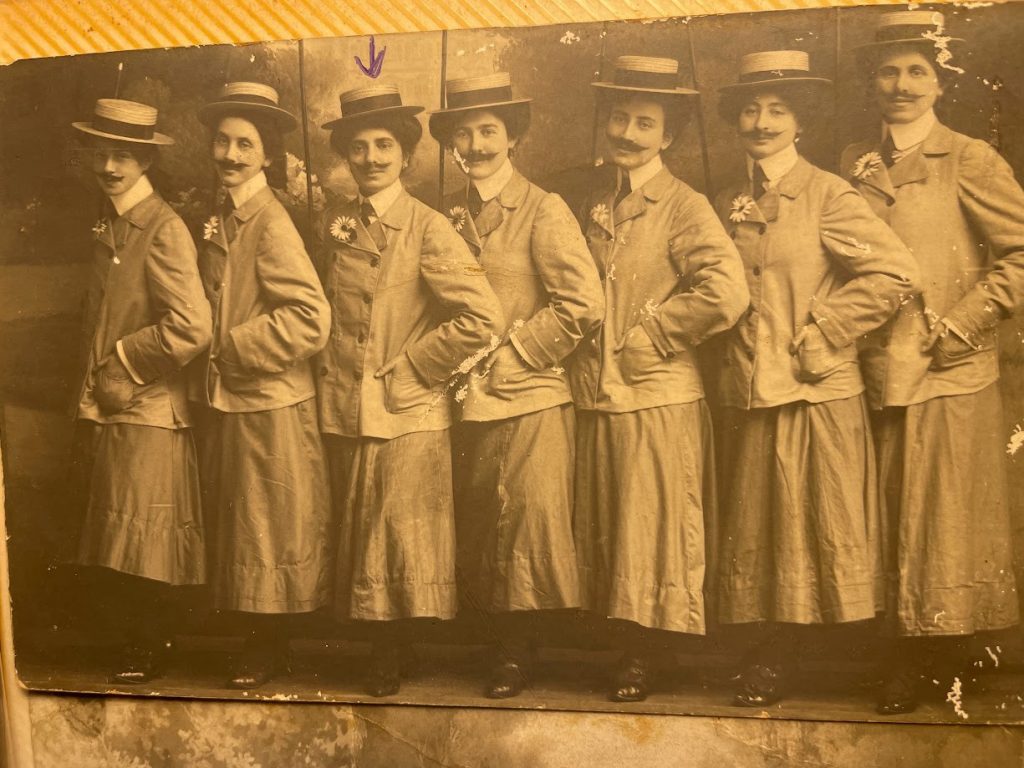
Theatre performance – Dina, third from the left
Care at Liobaheim
Alongside her cultural activities, Dina devoted herself wholeheartedly to caring for elderly members of the community. At the Liobasiechenhaus in Fulda, a care home for sick and frail people, she looked after the Jewish residents. She gave them the attention and human warmth that they often so desperately needed. Her actions were characterised by compassion and a sense of responsibility – values that were highly esteemed within the community.
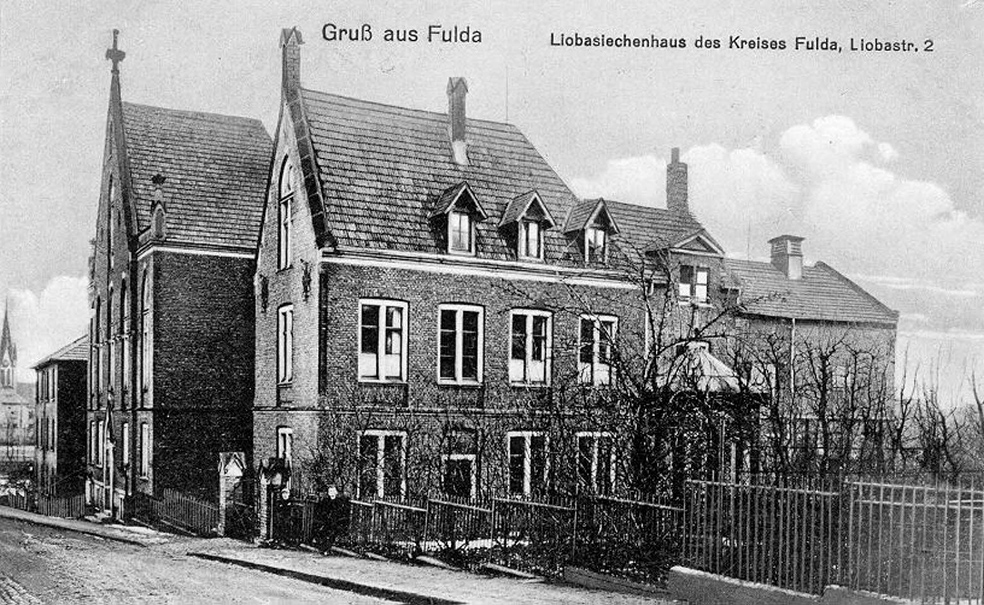
Lioba Retirement Home – Postcard from the early 20th century
In 1938, the residents of the Siechenheim were forced to move to the Jewish care home at 10 Schildeckstraße. There, too, Dina remained a steadfast source of support and tirelessly looked after those who needed her help.
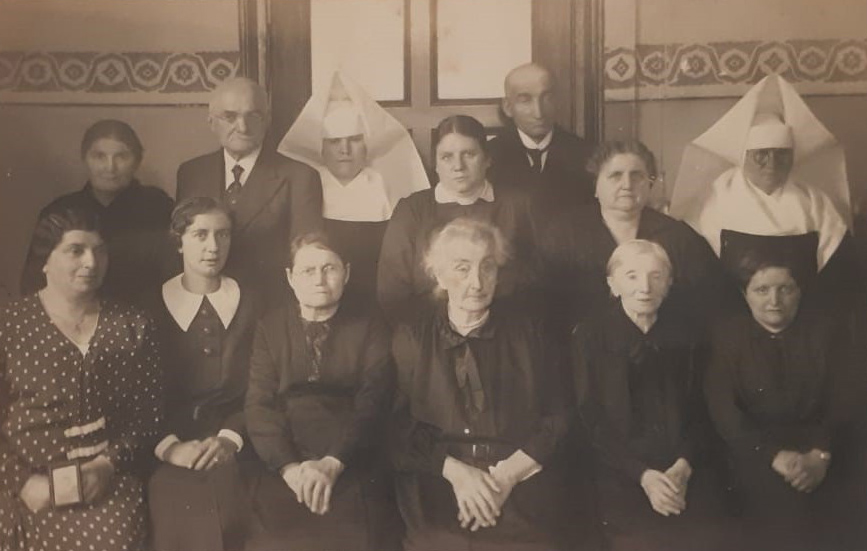
Dina with her charges at the Liobaheim – front row, first from the left
The end of a 500-year history
On 30 May 1942, the SS, Gestapo and police in Fulda deported Dina Feldheim and the children in her care. Their deportation marked not only the end of her work, but also the end of her family’s history in Fulda, which spanned over 550 years. Dina’s life stands as a testament to the cultural resilience, human warmth and compassion that had shaped Jewish life in Fulda for centuries.